Published on
Last Updated
The most effective HR tech stack isn’t about finding a single all-in-one platform, but about architecting a seamless, integrated system that prioritizes a best-in-class sourcing engine at the top of the funnel.
By combining a powerful, AI-native sourcing platform with a modern ATS and a core HRIS, scaling companies can eliminate data silos and create a unified workflow that unlocks true hiring velocity.
TL;DR: The Best HR Tools for Your Stack
Best sourcing tool: Juicebox is the top choice for its AI-powered search (PeopleGPT) and end-to-end outreach automation, delivering qualified shortlists in minutes from a pool of 800M+ profiles.
Best HRIS for SMBs: BambooHR offers a clean, user-friendly interface for centralizing employee data, making it the ideal system of record for growing teams graduating from spreadsheets.
Best for payroll & benefits: Gusto excels with its transparent pricing and automated payroll, benefits, and compliance features, perfect for US-based startups.
Best ATS for structured hiring: Greenhouse provides a robust, data-driven framework for standardizing the recruiting process and improving hiring quality at scale.
Choosing the right HR tools isn’t about buying software; it’s about architecting a system. The critical error most make is treating all components equally. A slow payroll run is an inconvenience; a dry talent pipeline is an existential threat. This is why anchoring your tech stack with a dominant top-of-funnel sourcing engine is non-negotiable.
Our thesis is clear: we argue that the most crucial component is your talent acquisition engine. PeopleGPT, a sourcing feature inside the Juicebox platform, exemplifies this by moving beyond keyword matching to interpret natural language, giving recruiters leverage that legacy platforms can’t match.
In this guide to the 12 essential HR tools,we’ll break down key features, ideal use case, and critical limitations of each platform to help you assemble a tech stack that drives growth, rather than just managing headcount.
Let’s dive right in:
1. Juicebox
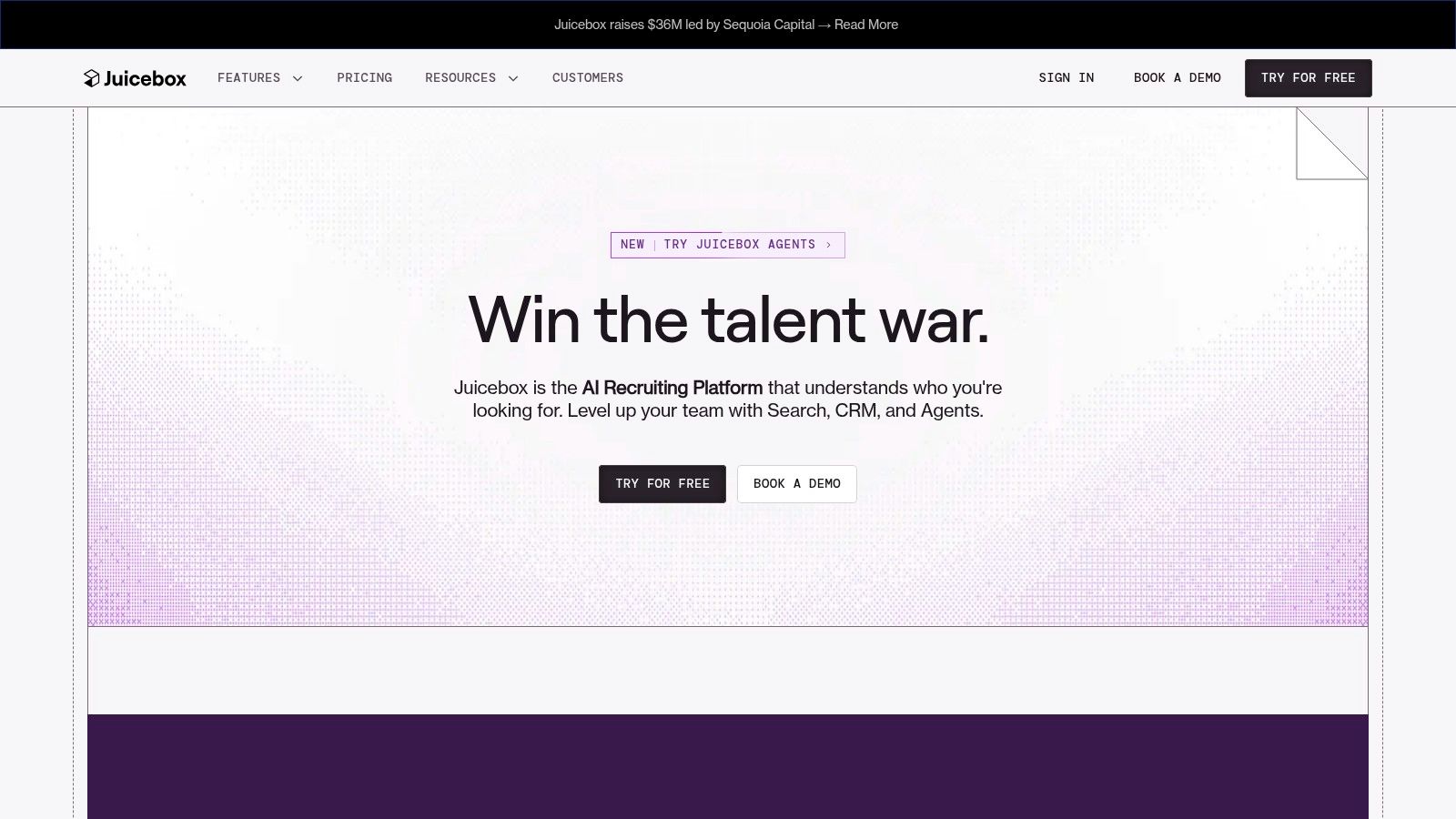
Juicebox is an AI-native talent sourcing platform engineered to consolidate and accelerate the entire top-of-funnel workflow. By leveraging an aggregated database of over 800 million global profiles, it allows teams to move from a search query to a qualified shortlist in under a minute.
Why Juicebox is a top choice
The platform’s core strength lies in its ability to interpret plain-English search queries to score and rank thousands of candidates instantly, eliminating the need for complex Boolean strings. Its end-to-end functionality includes built-in contact verification and an automated multi-step email sequencer, which can increase reply rates by up to 3x. For teams aiming for maximum efficiency, the optional Juicebox Agents add-on provides autonomous, 24/7 sourcing. This combination of speed, comprehensive data, and intelligent automation is why companies like Ramp and Perplexity rely on it. A deeper talent sourcing strategy often starts with tools like these.
Best for: Startups, mid-market companies, and recruiting agencies seeking a cost-effective, high-speed LinkedIn Recruiter alternative.
Pricing: Offers a free tier. Paid plans start around $99/month, with custom Business plans available. Juicebox Agents are a $300/month add-on.
Pros: End-to-end workflow from search to outreach, access to 800M+ profiles, and powerful AI automation.
Cons: The cost can increase with the Agent add-on and custom plans for high-volume needs.
2. Gusto
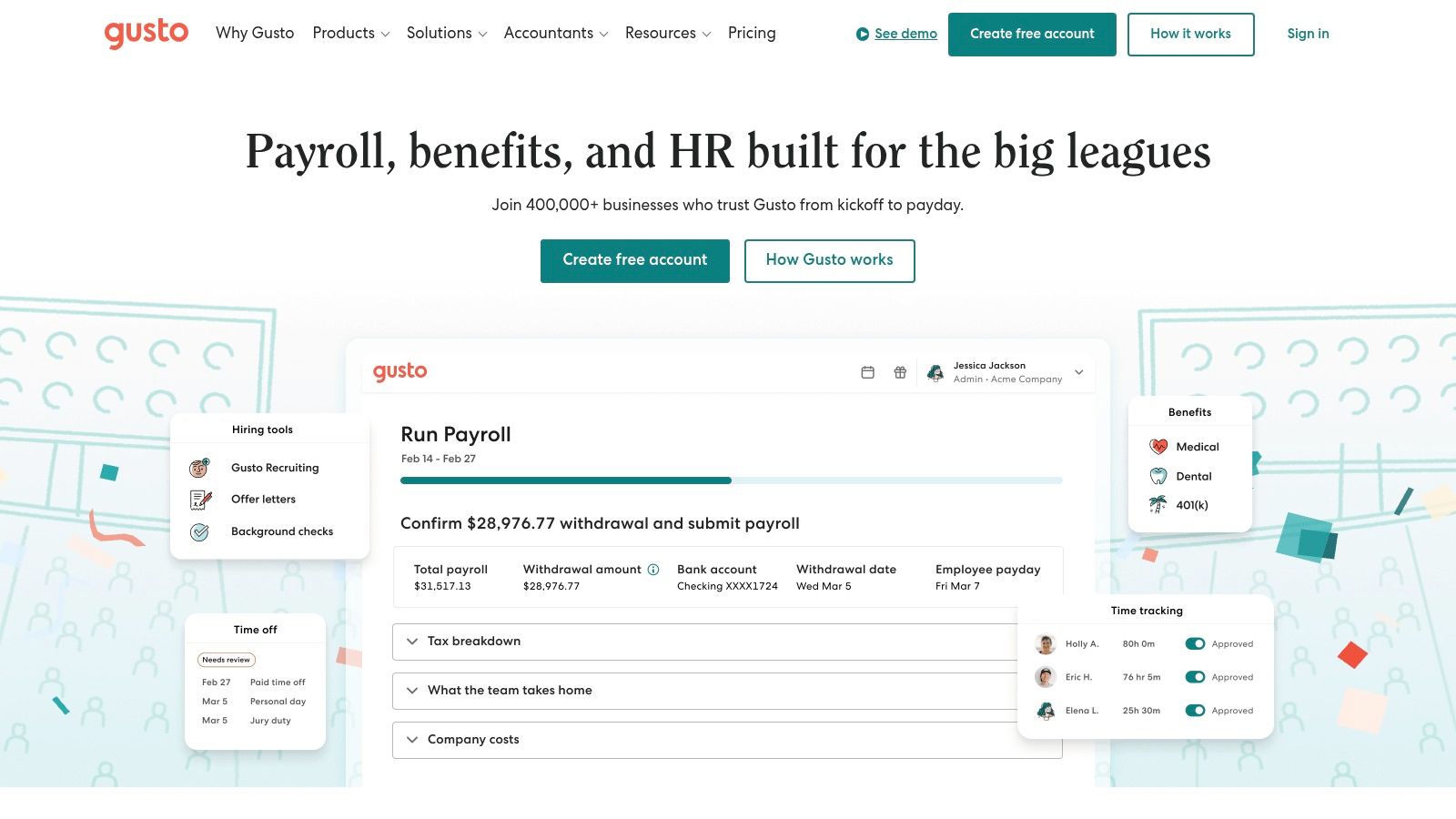
Gusto is a cloud-based platform that unifies payroll, benefits, and foundational HR functionalities into a single, user-friendly system. Primarily for US-based SMBs, it excels at automating complex administrative tasks, from unlimited payroll runs and tax filings to new-hire onboarding. This automation makes it one of the most efficient hr tools for startups needing to establish core people operations without a dedicated HR manager.
Ideal use case & limitations
Gusto is ideal for businesses transitioning from manual processes to their first integrated HR and payroll system. It’s particularly effective for companies hiring a mix of W-2 employees and 1099 contractors.
However, its limitations appear as companies scale. The reporting features are less robust than enterprise-level HRIS platforms, and advanced performance management tools are basic. While Gusto Global offers an EOR service, it’s a premium add-on, making it potentially less cost-effective for globally distributed teams.
Website: https://gusto.com
Pricing: Starts at $40/month + $6/person per month for the Simple plan.
3. BambooHR
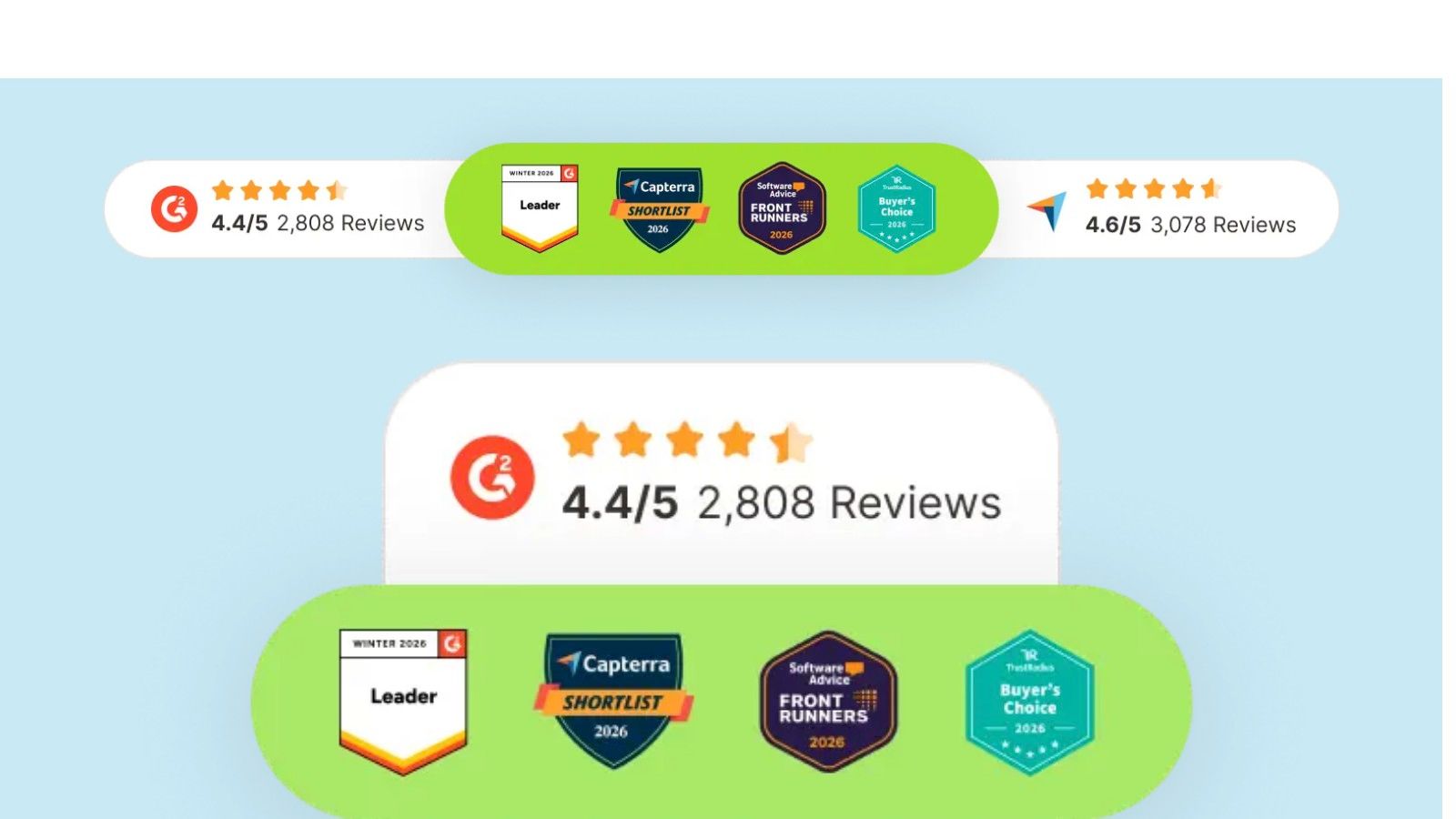
BambooHR is a cloud-based HR Information System (HRIS) designed for small and medium-sized businesses. It centralizes all employee data into a single database, streamlining everything from onboarding and time-off tracking to performance management. Its clean interface makes it one of the most user-friendly hr tools for companies graduating from spreadsheets.
Ideal use case & limitations
BambooHR is the perfect fit for SMBs that need a reliable system of record for their employee data and want to automate core HR workflows. Its simplicity and focus on the employee experience make it highly effective for organizations aiming to build a strong company culture.
However, its built-in applicant tracking system is functional but may not satisfy high-volume recruiting teams. While its reporting is excellent for standard HR metrics, it lacks the deep analytics found in more advanced platforms. For those evaluating their HRIS options, exploring various BambooHR alternatives can provide a clearer picture.
Website: https://www.bamboohr.com
Pricing: Custom quote-based. Pricing is determined by the number of employees and selected feature packages.
4. Rippling
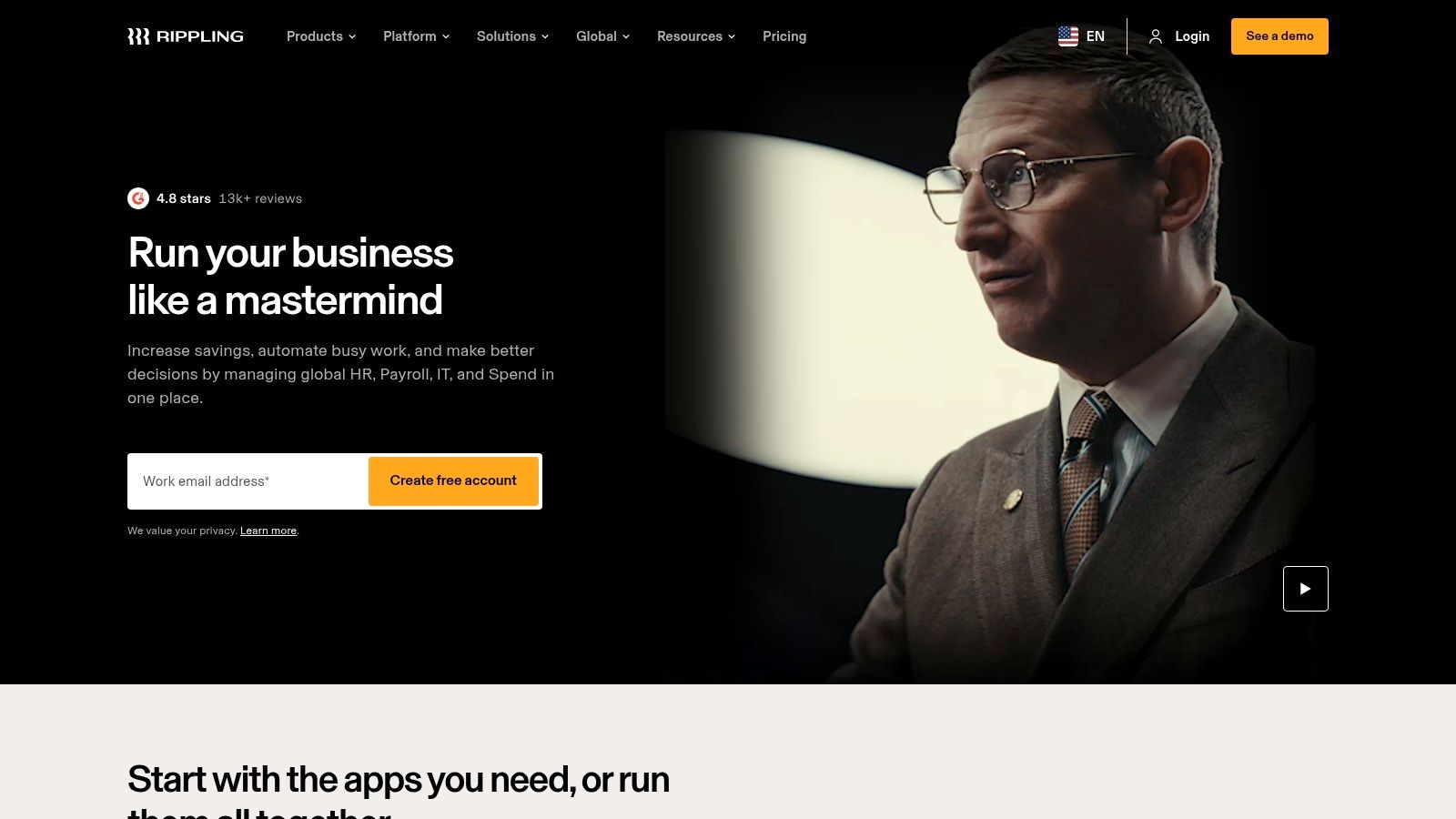
Rippling unifies HR, IT, and Finance into a single system built on a shared data core. This integrated approach allows businesses to manage everything from global payroll and PEO services to employee app provisioning and device management from one hub, aiming to eliminate the manual work required when using separate systems.
Ideal use case & limitations
Rippling is ideal for tech-forward companies that want to consolidate their HR and IT tech stack to reduce administrative overhead. It excels at automating the entire employee lifecycle by connecting people operations directly to IT functions.
However, the platform’s full value is realized when a company commits to using multiple modules. If you only need a standalone payroll or benefits tool, the cost and complexity may be higher than competitors. The à la carte pricing model can also become complex to calculate without a direct quote.
Website: https://www.rippling.com
Pricing: Starts at $8 per user, per month. Pricing is modular and varies based on the specific products selected.
5. ADP
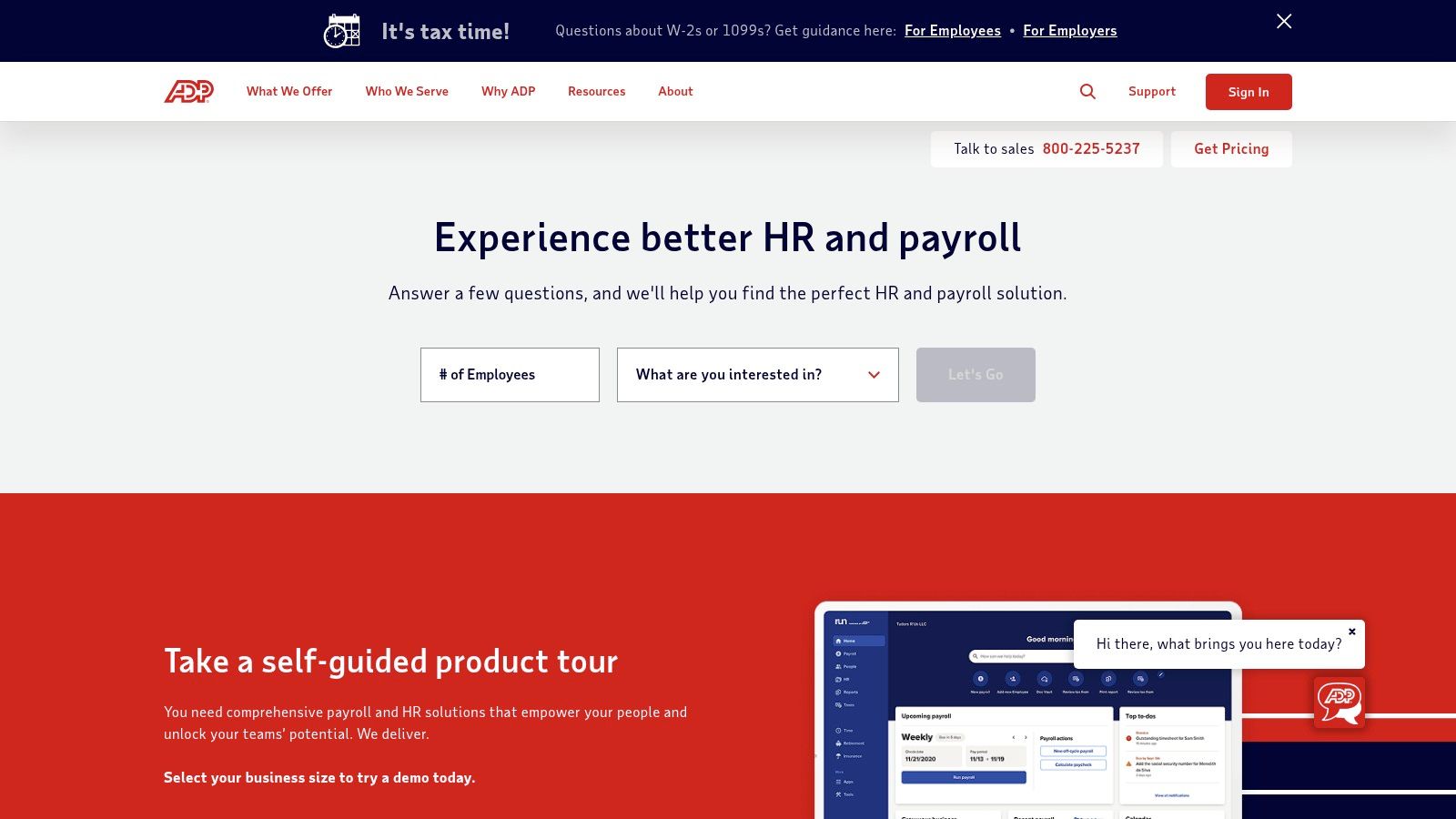
ADP is an industry leader offering comprehensive payroll and HR suites for businesses of all sizes, from its RUN platform for small businesses to Workforce Now for mid-market clients. ADP has built its reputation on deep payroll expertise, ensuring businesses can navigate complex state and federal regulations, making it one of the most trusted hr tools for core administrative functions.
Ideal use case & limitations
ADP is the ideal solution for businesses that prioritize compliance, scalability, and an all-in-one ecosystem, especially companies with employees across multiple states.
However, ADP’s primary limitation is its quote-based pricing model, which often lacks transparency. The addition of necessary modules can significantly increase the total expense. Furthermore, some users find the interface less intuitive than modern, cloud-native competitors.
Website: https://www.adp.com
Pricing: Entirely quote-based. Pricing depends on the specific package, number of employees, and selected add-on modules.
6. UKG (ultimate Kronos group)
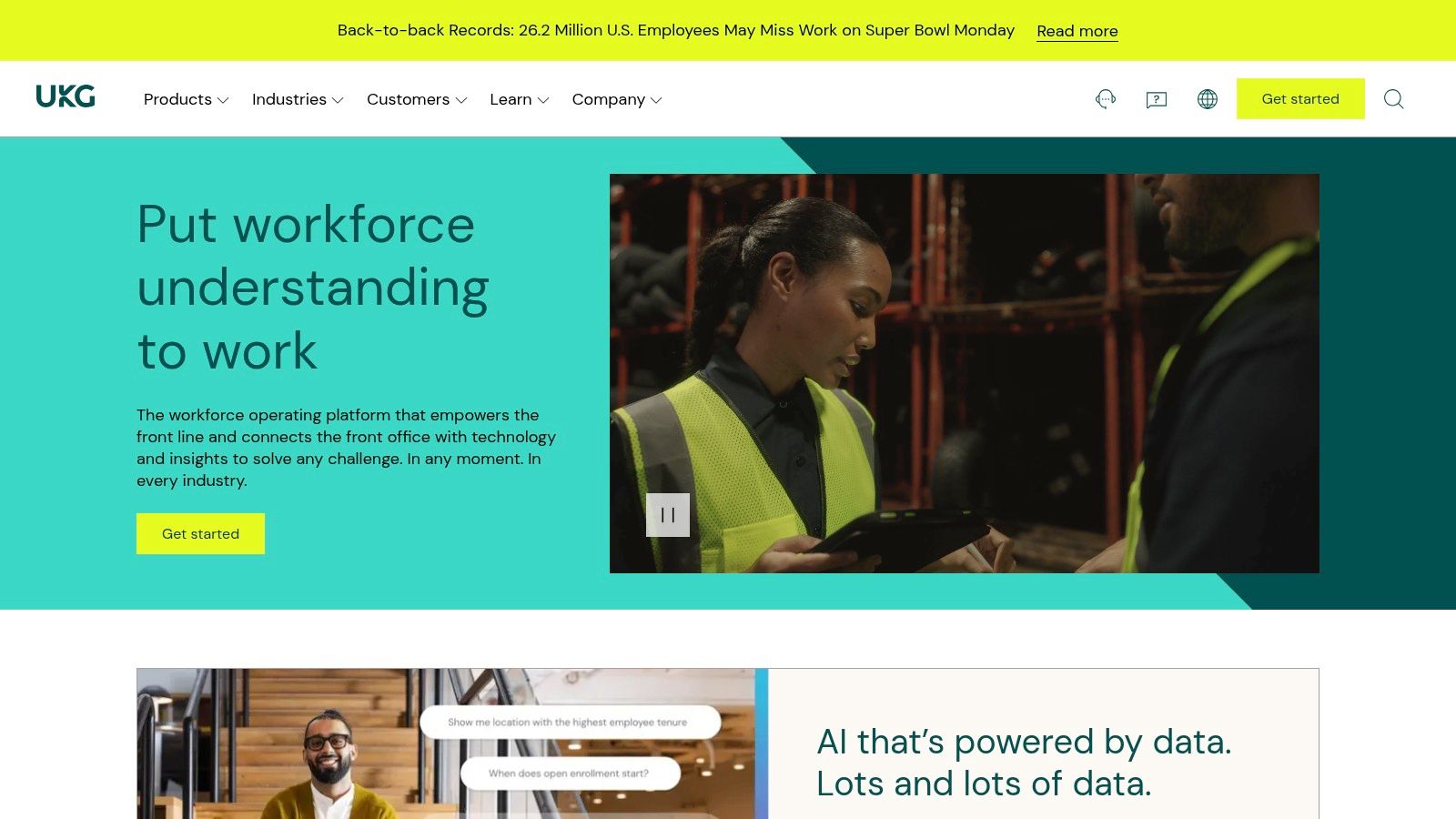
UKG offers a powerful suite of Human Capital Management (HCM) and workforce management solutions, primarily through its UKG Pro and UKG Ready platforms. It is engineered for mid-market to enterprise-level organizations, especially those in compliance-heavy industries with large, shift-based workforces. The platform excels at integrating core HR, global payroll, timekeeping, and advanced scheduling.
Ideal use case & limitations
UKG is the go-to solution for large companies that need robust workforce management tools integrated with a full HCM suite. It is valuable for businesses with complex union rules, varied pay scales, or multi-location operations.
However, implementations can be complex and resource-intensive, making it overkill for small businesses. The pricing is primarily quote-based, reflecting its enterprise focus, and its extensive feature set may present a steep learning curve. The need to streamline recruitment process flows is critical, and a complex tool can sometimes hinder that.
Website: https://www.ukg.com
Pricing: Primarily quote-based and tailored to organizational needs.
7. Workday
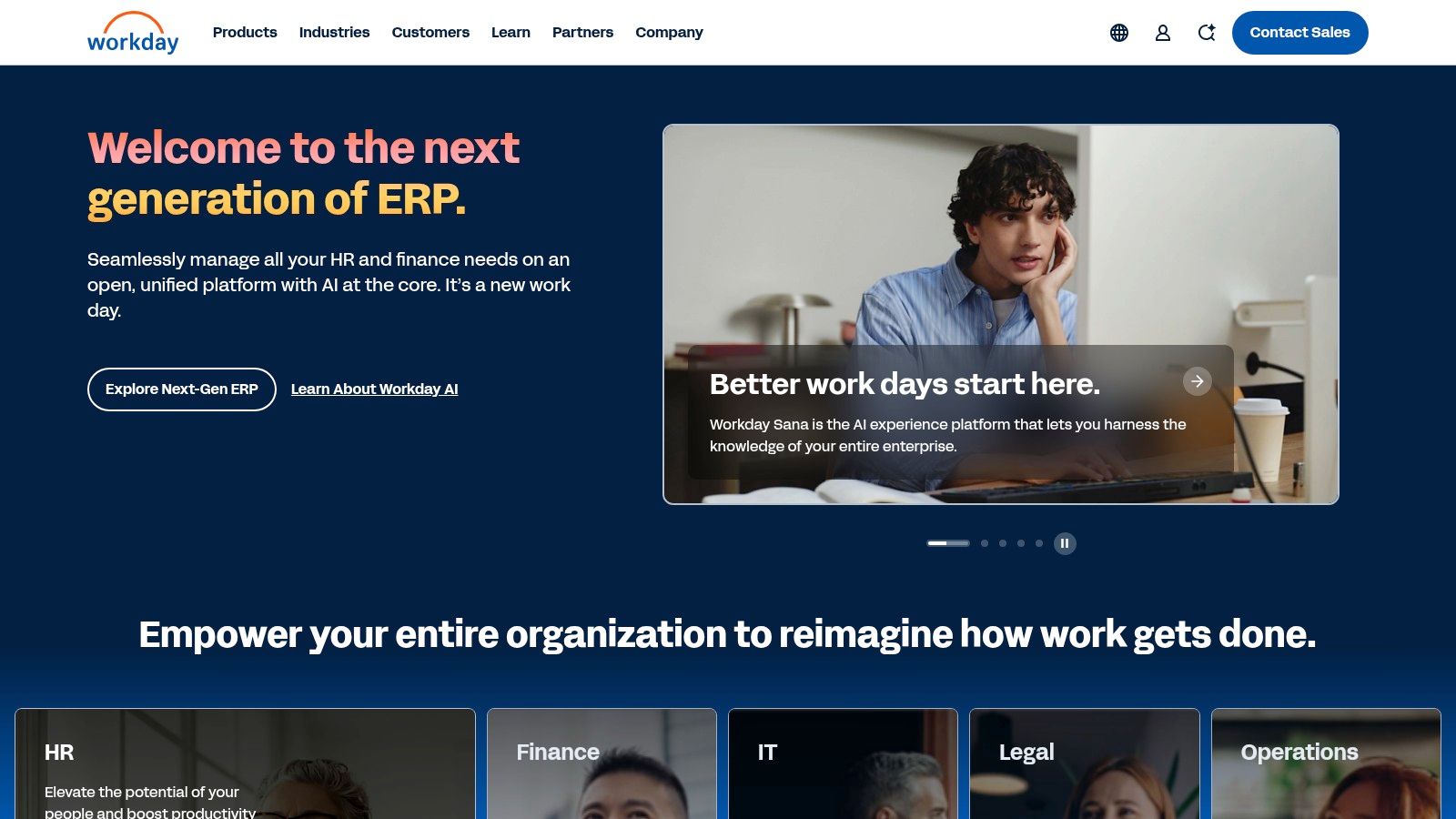
Workday is an enterprise-grade, cloud-based Human Capital Management (HCM) platform for large global organizations. It unifies core HR, payroll, talent management, and advanced analytics into a single system built around skills intelligence. Its architecture is engineered for scalability, making it one of the most robust hr tools for enterprises needing deep functionality.
Ideal use case & limitations
Workday is the go-to solution for large enterprises (typically 1,000+ employees) seeking a single source of truth for all people and financial data. It excels in highly regulated industries where compliance and complex reporting are non-negotiable.
However, the platform is known for its high price tag and long implementation cycles. For small to medium-sized businesses, it is almost always overkill. Exploring more agile and cost-effective Workday alternatives is a more practical approach.
Website: https://www.workday.com
Pricing: Quote-based enterprise pricing. Requires consultation with their sales team.
8. Greenhouse
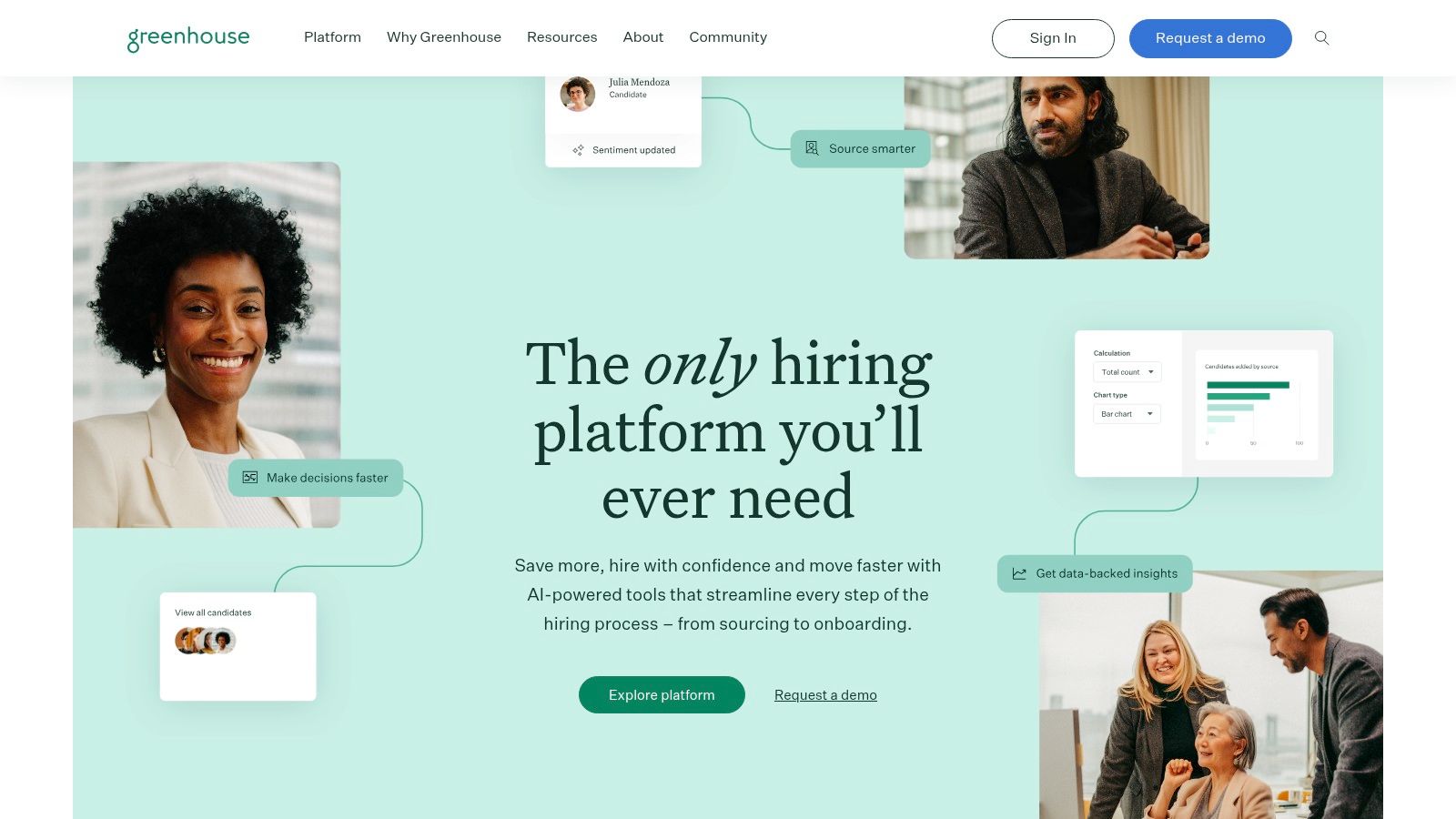
Greenhouse is a leading applicant tracking system (ATS) that provides a structured framework for hiring. Designed for companies aiming to scale their talent acquisition processes with consistency, it centralizes everything from sourcing and interviewing to offers. Its core philosophy revolves around “structured hiring” to reduce bias and improve the quality of hires.
Ideal use case & limitations
Greenhouse is the ideal choice for scaling tech companies that need to standardize their hiring process. It excels in environments where data-driven decisions and a consistent candidate experience are top priorities.
However, its structured nature and enterprise-grade pricing can be heavyweight for very small startups. Realizing the full value of Greenhouse requires a commitment to its structured hiring methodology. Teams looking for more flexible candidate sourcing tools might integrate it with other platforms.
Website: https://www.greenhouse.com
Pricing: Greenhouse uses a quote-based model tailored to company size and feature requirements.
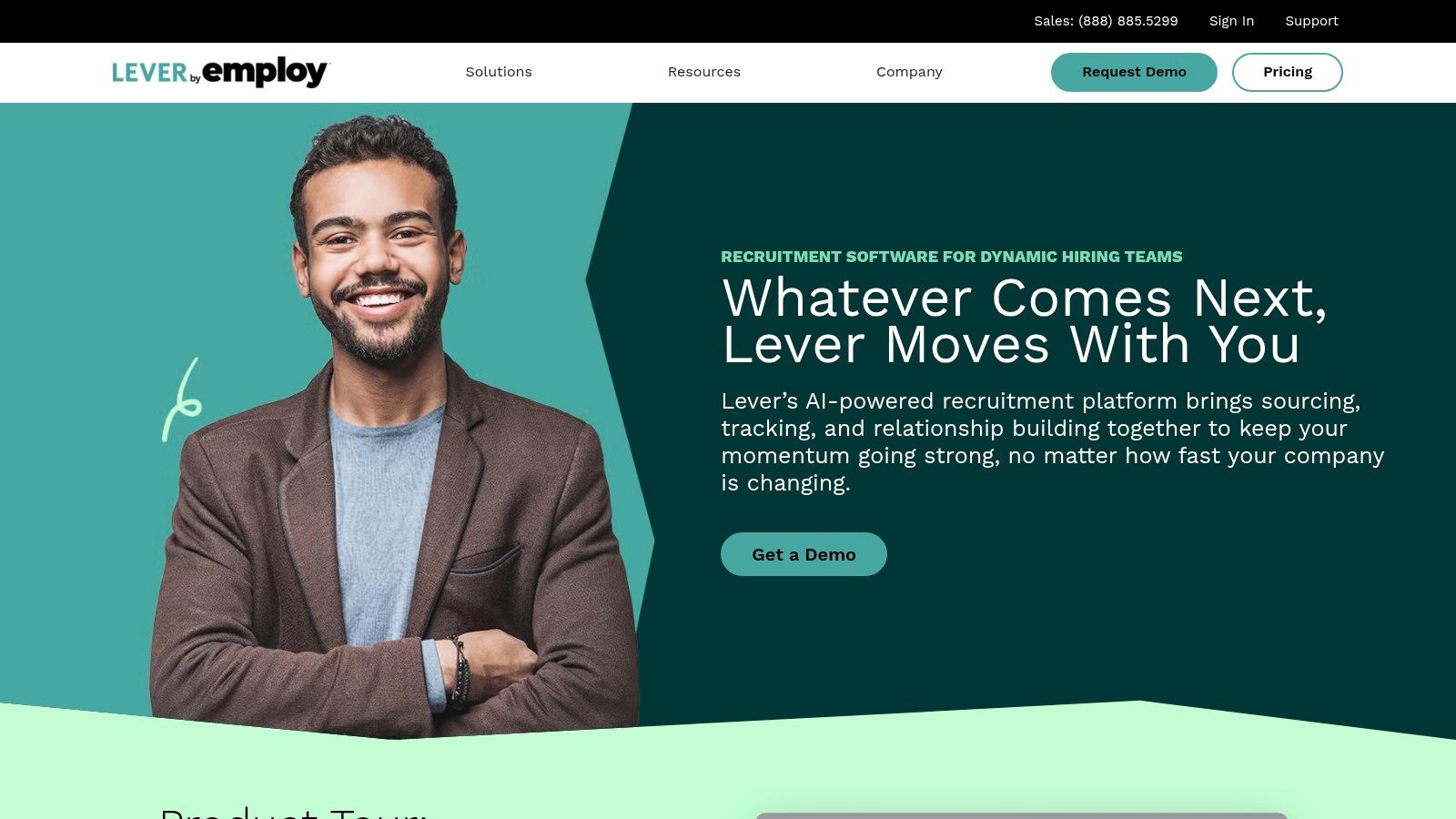
9. Lever
Lever is a modern applicant tracking system (ATS) that integrates robust Customer Relationship Management (CRM) capabilities. Designed for talent teams focused on proactive pipeline building, it combines sourcing, nurturing, and interviewing into a unified workflow. This CRM-first approach allows recruiters to build and maintain talent pools, making it one of the more strategic hr tools for talent pipelining.
Ideal use case & limitations
Lever is the ideal solution for high-growth companies that need to manage a high volume of inbound and passive candidates. Its strength in candidate nurturing and rediscovery makes it perfect for teams building long-term talent pipelines.
However, its custom pricing model and extensive feature set can be more than what a small startup requires. Because its functionality can overlap with specialized sourcing platforms, teams must carefully plan their tech stack to avoid redundancy.
Website: https://www.lever.co
Pricing: Lever offers custom pricing based on company size and required features.
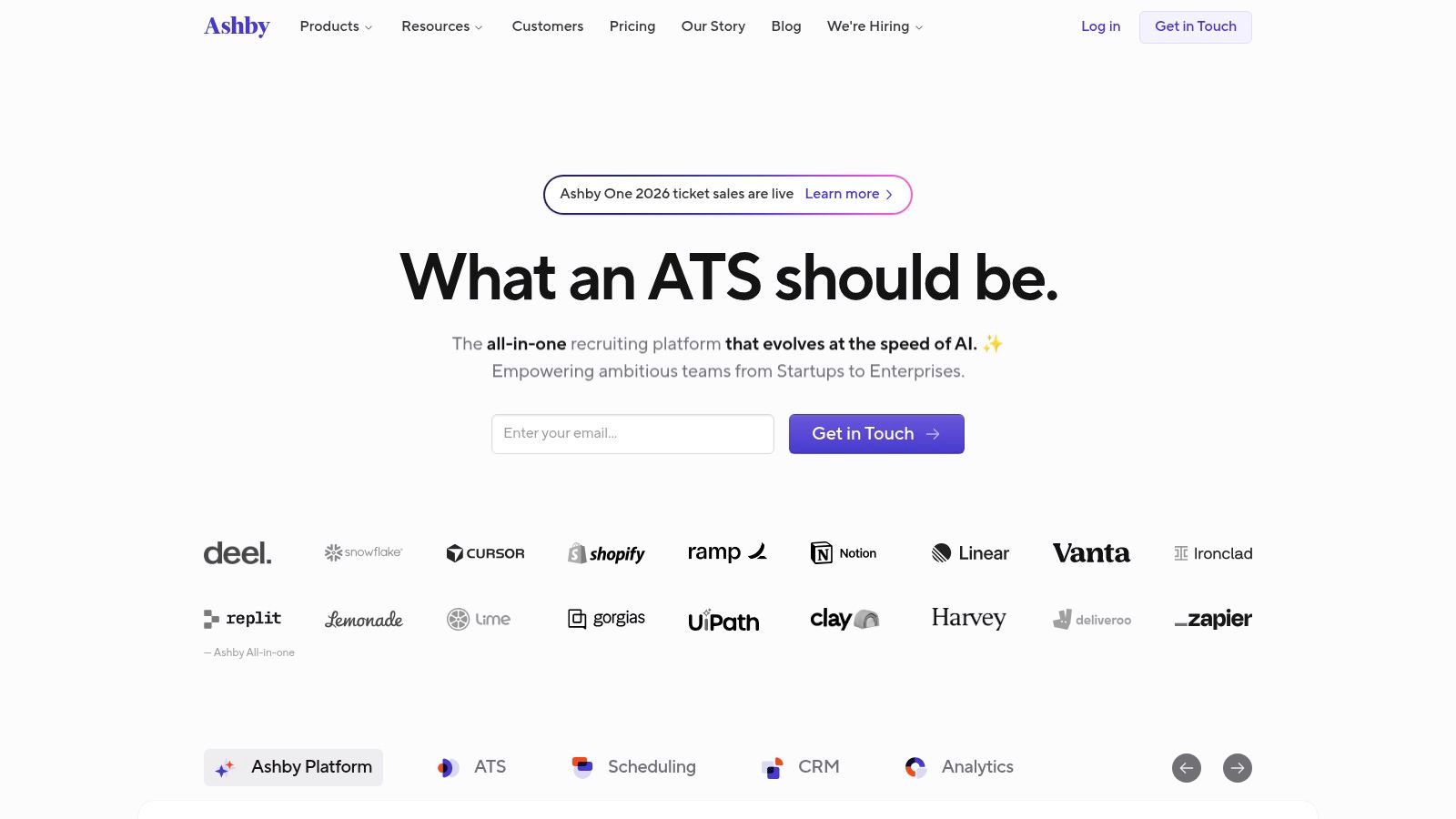
10. Ashby
Ashby is an all-in-one recruiting platform combining a powerful Applicant Tracking System (ATS) with advanced scheduling automation and robust analytics. This focus on measurement and efficiency makes it an excellent choice for scaling teams that want to optimize every stage of their hiring funnel, from sourcing effectiveness to offer acceptance rates.
Ideal use case & limitations
Ashby is ideal for recruiting teams that operate with a high degree of analytical rigor. Companies that track goals for time-to-hire, source quality, and interviewer performance will find its dashboards indispensable.
However, its depth can be overwhelming for very small teams with low hiring volume. The pricing is quote-based and tailored to company size, which means it generally requires a more significant budget than entry-level ATS solutions.
Website: https://www.ashbyhq.com
Pricing: Custom quote-based. Pricing varies based on company size and hiring volume.
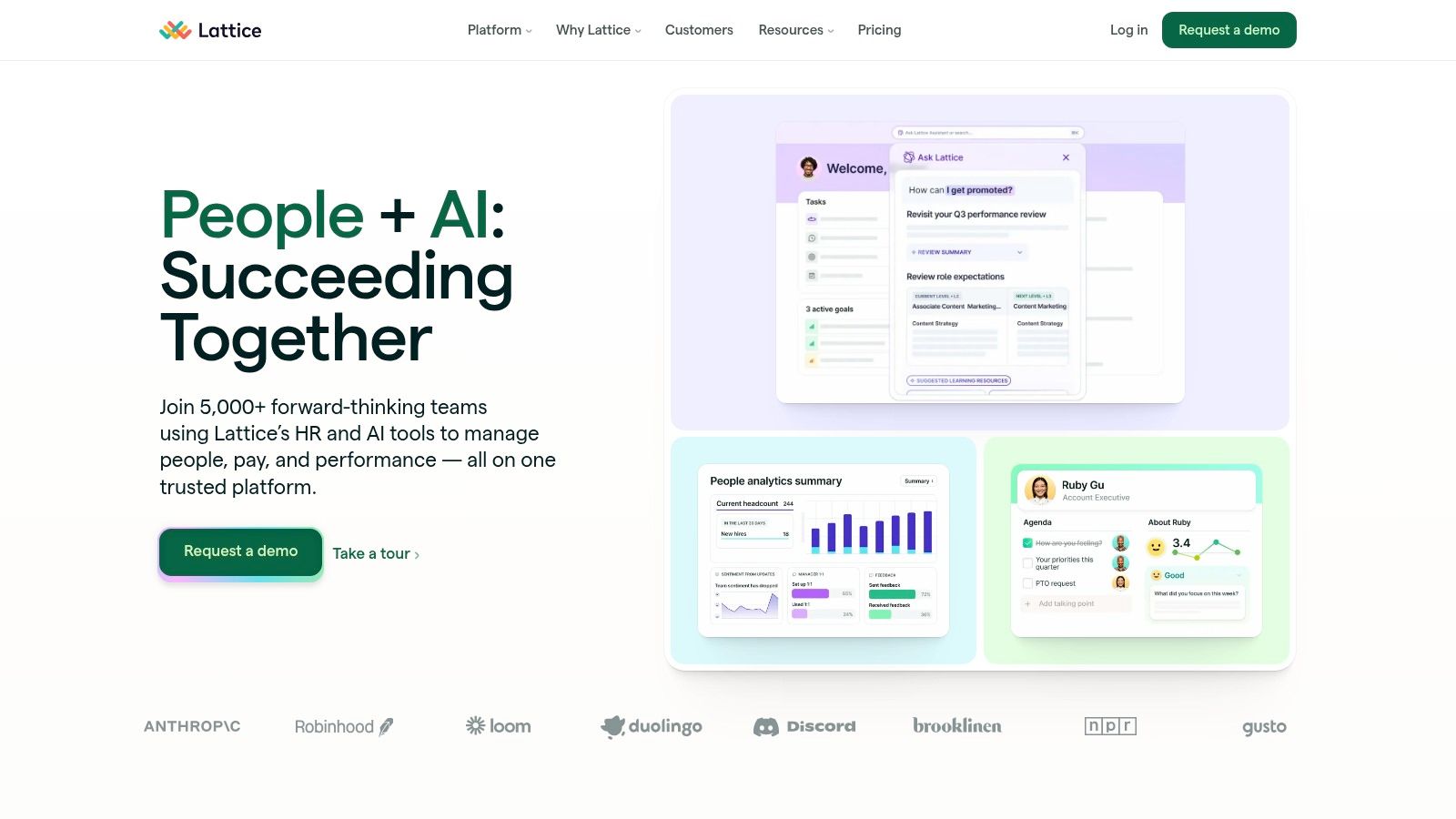
11. Lattice
Lattice is a talent management suite focused on connecting performance, engagement, and compensation. Unlike all-in-one HRIS platforms, Lattice is built specifically to enhance company culture and employee growth through dedicated modules for performance reviews, goal-setting (OKRs), and engagement surveys. This makes it one of the best hr tools for building a high-performance culture.
Ideal use case & limitations
Lattice is ideal for mid-sized companies that have a foundational HRIS in place but need more sophisticated tools to manage performance and understand employee sentiment.
However, its specialization is also a limitation. Companies seeking a single platform to manage everything from payroll to performance will find it incomplete. The mandatory $4,000 annual minimum commitment can also be a barrier for smaller startups.
Website: https://lattice.com
Pricing: Modules start at $11/person per month. Billed annually with a $4,000 minimum agreement.
12. Paychex Flex
Paychex Flex is a leader in payroll and HR services, tailored for small to medium-sized US businesses. It offers a scalable, all-in-one platform combining payroll processing, tax filing, and benefits administration. What sets Paychex apart is its deep expertise in compliance and its flexible service models, including options for PEO or HRO services.
Ideal use case & limitations
Paychex Flex is best suited for established SMBs that prioritize payroll accuracy, tax compliance, and the availability of professional HR support. The tiered plans allow companies to start with basic payroll and add more complex HR functions as they scale.
However, the user experience can feel dated compared to modern competitors. Pricing can be opaque, often requiring a sales consultation to get a clear quote. Its extensive feature set might be overly complex for very small businesses that only need simple payroll runs.
Website: https://www.paychex.com
Pricing: Custom pricing based on company size and services needed.
Conclusion: from tools to an integrated system
The core takeaway is this: individual tools solve isolated problems, but a well-integrated HR tech stack creates strategic leverage.
The goal is to design a workflow where candidate data flows seamlessly from discovery in a sourcing platform like Juicebox, through an ATS like Greenhouse, and into an HRIS like BambooHR. This integration eliminates the friction of manual data entry and frees up your team for high-impact work, turning a collection of subscriptions into a true talent acquisition engine.
By architecting a system that prioritizes a powerful, AI-driven top-of-funnel, you unlock the ability to consistently attract and land the talent needed to win.
Start sourcing candidates with Juicebox.
FAQs: HR tools (2026)
What are the most essential HR tools for a startup?
For startups, the essential HR tools include a payroll system (like Gusto), a core HRIS for employee data (like BambooHR), and a scalable sourcing platform (like Juicebox) to build a talent pipeline efficiently from day one.
How do AI recruiting tools fit into the HR tech stack?
AI recruiting tools act as a force multiplier, automating top-of-funnel activities like candidate sourcing and outreach. They integrate with your ATS to feed it a consistent stream of qualified, interested candidates, saving significant time.
Can one HR tool manage everything for a small business?
While some all-in-one platforms aim to cover everything, they often lack depth in critical areas like talent sourcing. A better approach is to use a core HRIS/payroll system and integrate best-in-class tools for specialized functions like recruiting.
Sign up for Juicebox (it's free!)
Run your first search for free. Find and engage top talent across 800M+ profiles. Trusted by 5,000+ customers.